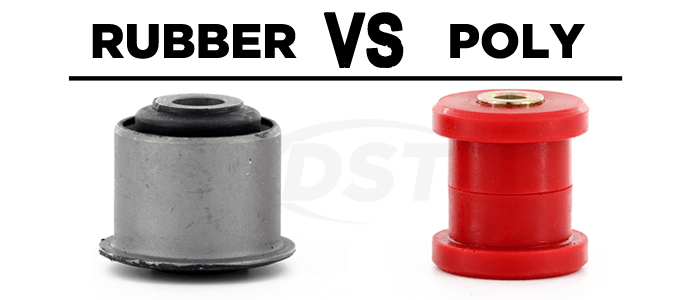

When it comes to choosing materials for industrial applications, both polyurethane and rubber offer distinct advantages. However, understanding their differences, benefits, and limitations is crucial for making an informed decision. This article delves into the unique properties of polyurethane and rubber, providing insights and stats that are often overlooked.
Material Composition and Properties
Polyurethane is a versatile polymer known for its durability, flexibility, and resistance to abrasion. It is produced through a polyol with diisocyanate reaction, which can be tailored to achieve specific mechanical properties. Polyurethane is available in various forms, including foams, elastomers, and coatings.
Rubber, on the other hand, is a natural or synthetic material with excellent elasticity. Natural rubber is harvested from the latex of rubber trees, while synthetic rubber is produced from petrochemicals. Rubber is prized for its flexibility, resilience, and ability to return to its original shape after deformation.
Durability and Longevity
- Polyurethane: Known for its exceptional wear and tear resistance, polyurethane components often outlast rubber by up to 50%. This longevity makes it ideal for applications with paramount durability, such as in industrial machinery and automotive parts.
- Rubber: While rubber offers good durability, it is more susceptible to degradation from UV light, ozone, and certain chemicals. However, rubber’s natural resilience makes it suitable for dynamic applications involving repeated stretching and compression.
Temperature and Chemical Resistance
- Polyurethane: Offers superior resistance to a wide range of chemicals, including oils, solvents, and fuels. It can maintain its properties in temperatures ranging from -40°F to 194°F (-40°C to 90°C), making it suitable for harsh environments.
- Rubber: Natural rubber performs well in moderate temperatures but can degrade at higher temperatures or in the presence of oils and solvents. Synthetic rubbers, such as nitrile and silicone, are formulated to enhance chemical and temperature resistance.
Flexibility and Elasticity
- Polyurethane: Provides excellent flexibility and can be engineered to mimic the elasticity of rubber. However, it generally offers less elasticity than natural rubber, which can be a consideration for applications requiring extreme flexibility.
- Rubber: Excels in applications requiring high elasticity and resilience. Its ability to stretch and return to its original shape makes it ideal for seals, gaskets, and flexible joints.
Environmental Impact
- Polyurethane: While derived from petrochemicals, advancements in recycling and bio-based polyols are reducing its environmental footprint. Polyurethane’s durability also means less frequent replacement, contributing to reduced material waste.
- Rubber: Natural rubber is a renewable resource, but its cultivation can impact biodiversity and contribute to deforestation. Synthetic rubbers are derived from non-renewable resources, but recycling and sustainable production innovations are emerging.
Cost Considerations
- Polyurethane: Generally more expensive upfront than rubber due to its complex manufacturing process. However, its extended lifespan and lower maintenance costs can offer long-term savings.
- Rubber: Typically less expensive initially but may require more frequent replacements and maintenance, potentially leading to higher overall costs.
Statistical Insights
- Wear Resistance: Studies show that polyurethane components can last up to five times longer than rubber in abrasive environments.
- Temperature Stability: Polyurethane retains its mechanical properties across a broader temperature range compared to most rubbers, which can harden or become brittle at low temperatures and degrade at high temperatures.
- Chemical Resistance: Polyurethane can withstand exposure to a wider variety of chemicals, reducing the risk of material degradation and failure in harsh industrial settings .
Conclusion
Choosing between polyurethane and rubber depends on the specific requirements of your application. Polyurethane offers superior durability, chemical resistance, and longevity, making it suitable for demanding industrial environments. Rubber, with its excellent elasticity and lower initial cost, remains a strong contender for applications requiring flexibility and resilience.
For a detailed consultation on selecting the right material for your needs, visit [polyurethane-components.com]. Our experts can help you navigate the complexities of material selection, ensuring optimal performance and cost-effectiveness for your projects.
4o