
Coatings are used to protect surfaces from wear, moisture and chemicals. The strength, flexibility and environmental resistance of the coatings are selected by engineers and manufacturers for the application. There are different materials for different purposes. Some coatings form a hard shell while others are designed to absorb the impact. Out of the available protective coatings, polyurea, polyurethane, and epoxy are the most popular and commonly used. Each has its advantages and disadvantages depending on the area of application.
The Role of Coating Materials
It is important to understand that every coating is meant to serve a purpose other than purely aesthetic one. In the industrial environment, coatings are used to prevent corrosion and increase the working life of machinery and equipment. On bridges and pipelines, they avoid the formation of rust that leads to weakness of the metal. In construction, they used to seal concrete and make it crack proof and water proof. Selecting the right material is done based on the surface, environment, and the degree of protection required.
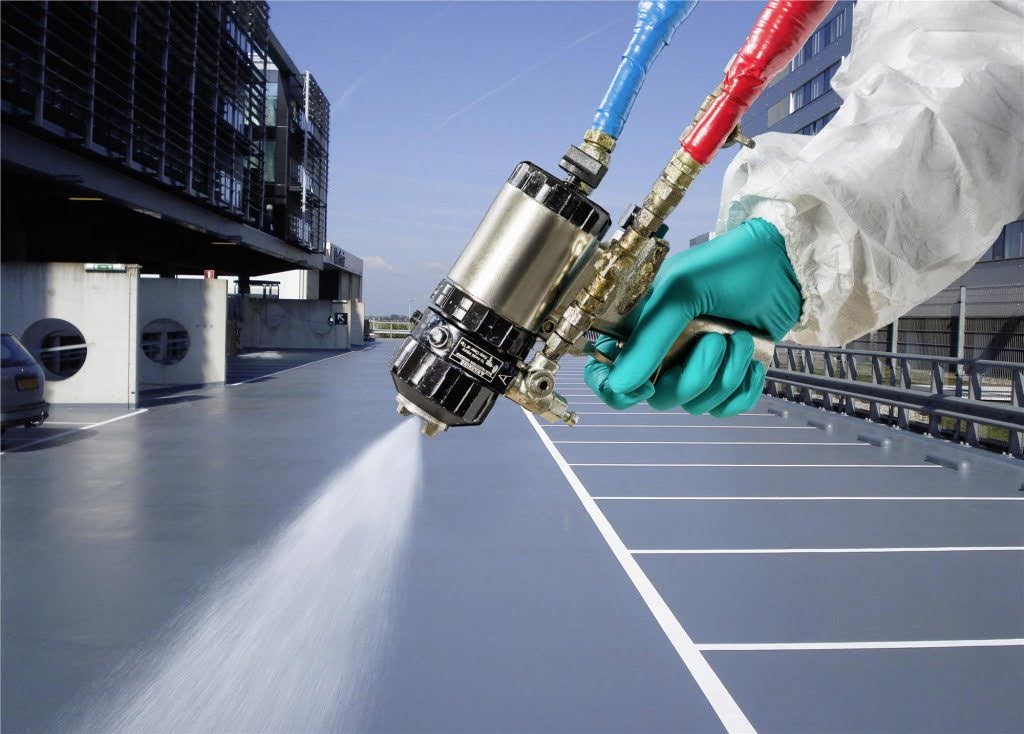
Polyurea has revolutionized the way that industries are applying coating training. It is applied rapidly, cures in seconds, and forms a strong, flexible layer of protection. Hitherto unattained degree of resistance to severe conditions and no tendency to become brittle like traditional coatings. It is also more resistant to water, chemicals, and physical impacts than most other materials. Polyurea has now begun to displace polyurethane and epoxy in many applications due to its superior long-term performance.
Comparing Polyurea, Polyurethane, and Epoxy
A long-time favorite as a coating, polyurethane has been around for several decades. It forms a very tough and long-lasting layer that offers the surface protection against wear through abrasion. It sticks to concrete, wood, and metal well. It is also more flexible than epoxy, so it does not crack as much when the substrate it is applied to expands or contracts. It is very robust and can be used in demanding conditions, but it must be applied properly. Humidity and temperature variations can disrupt the curing of the polyurethane.
Epoxy coatings generate a very tough and chemical-resistant finished surface. Many factories and warehouses have epoxy paint on their floors because it is very durable to traffic. It produces a high gloss finish of a sealed surface that will not allow spills or stains to penetrate. Epoxies are suitable for use in tightly controlled conditions but are poor in varying temperature environments. Over time, it can become brittle and vulnerable to breakage due to sunlight and moisture.
Polyurea has certain advantages over both polyurethane and epoxy. It also ensures that surfaces are available for use in a short time due to its fast curing time. It can stick to most materials in humid conditions or at high temperatures. It is also not prone to cracking as epoxy. Also, it is better than polyurethane in resisting moisture during application. When there are needs for quick, strong and long lasting protection, polyurea is usually chosen over other coatings.